2026 Top Trends in Polymer Flocculant Applications for Water Treatment?
In the quest for clean water, the role of Polymer Flocculant is pivotal. These substances have transformed water treatment processes. According to a recent report by MarketsandMarkets, the polymer flocculants market is projected to reach $8.4 billion by 2026, growing at a CAGR of 6.2%. This growth highlights their increasing importance in various applications, including municipal, industrial, and wastewater treatment.
However, despite their benefits, there are challenges. The effectiveness of Polymer Flocculant can vary based on factors like water chemistry and environmental conditions. Small changes in pH or temperature can drastically impact performance. Furthermore, while these products are effective, concerns exist about potential toxicity and long-term environmental effects. Industry stakeholders must address these issues while innovating new formulations.
Ultimately, understanding the trends in Polymer Flocculant applications will help shape the future of water treatment. The demand for efficient and sustainable solutions is higher than ever. This aligns with global efforts to ensure access to clean water for all. The journey ahead requires careful consideration of both advantages and limitations.

Emerging Polymer Flocculants: Innovations in Water Treatment
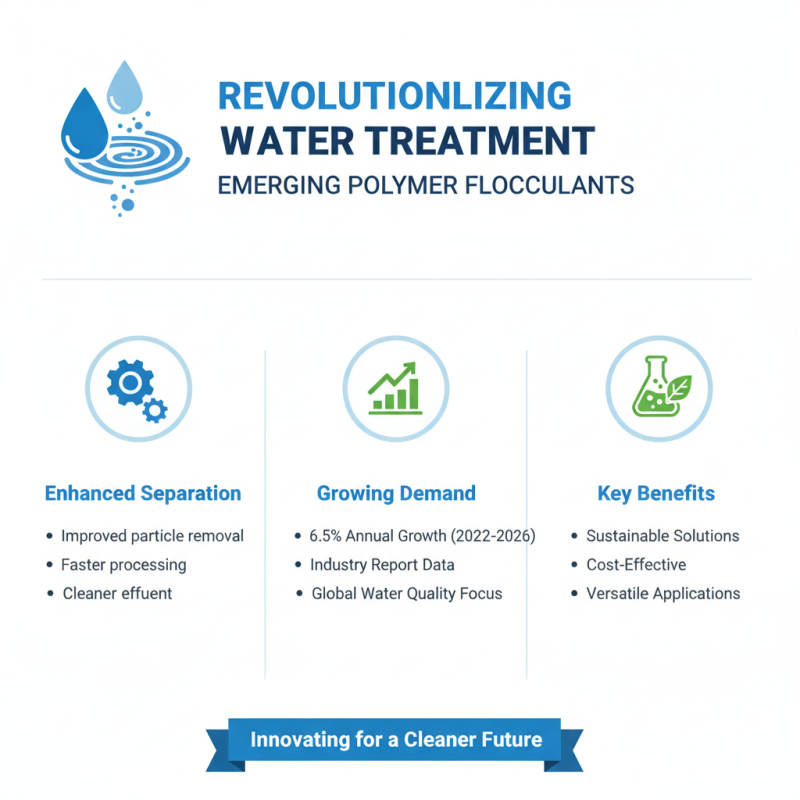
Emerging polymer flocculants are revolutionizing water treatment. These innovations aim to enhance separation processes. According to a recent industry report, the demand for flocculants is expected to grow by 6.5% annually through 2026. This trend highlights the need for effective solutions in managing water quality.
New formulations focus on improved performance and reduced environmental impact. Biodegradable options are gaining traction. They address concerns over chemical residues in treated water. A study indicated that over 30% of industrial wastewater contains harmful pollutants. More sustainable flocculants can help mitigate these issues.
Research shows that optimizing polymer structure leads to better flocculation efficiency. Adjustments in molecular weight and charge density yield remarkable results. However, challenges remain. Developers must balance cost and performance. There is still room for improvement in operational stability. Continuous innovation will be essential for the future of water treatment.
Key Advantages of Polymer Flocculants Over Traditional Agents
Polymer flocculants are gaining traction in water treatment due to their unique benefits. Unlike traditional agents, these modern flocculants enhance removal rates of suspended solids. They work effectively at lower doses, minimizing the overall chemical input. This results in cost savings for facilities, allowing for more environmentally friendly practices.
The versatility of polymer flocculants is impressive. They can adapt to varying water qualities and temperatures. This adaptability often leads to better performance compared to older methods. However, there’s a caveat. Not all polymer flocculants perform optimally in every scenario. Some may require specific conditions to shine, leaving room for improvement in their formulation and application.
In pushing for advanced water treatment solutions, we see both progress and challenges. Some operators struggle to find the right balance in using these flocculants. The reliance on them can lead to oversights about the importance of process control. This ongoing journey underscores the need for continuous research and development in the field.
2026 Top Trends in Polymer Flocculant Applications for Water Treatment
Application Areas for Polymer Flocculants in Wastewater Management
Polymer flocculants play a crucial role in wastewater management. These agents help in the efficient removal of suspended solids. Their application spans various industries, including municipal wastewater treatment, mining, and food processing. According to a recent report by the Global Water Intelligence, the demand for polymer flocculants is expected to grow at a CAGR of 5.6% through 2026. This growth is driven by increasing environmental regulations and the need for sustainable wastewater treatment solutions.
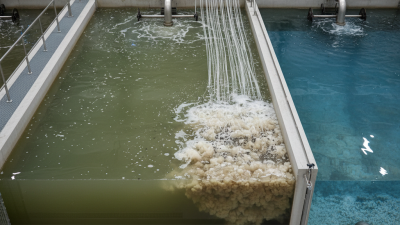
In municipal operations, polymer flocculants enhance sedimentation. They improve the settling rates of solids during the treatment process. This can lead to better plant efficiency and reduced operational costs. However, not all flocculants perform equally well under different conditions. Some users have reported challenges with the efficiency of certain products. The variability in effectiveness under various pH levels and temperatures needs further exploration.
In the mining sector, the use of flocculants is vital for tailings management. Efficient solid-liquid separation protects water sources from contamination. The mining industry faces scrutiny for its environmental impacts. A case study highlights that improper use of polymer flocculants can lead to increased sludge generation. This creates additional disposal issues. Finding the right balance in flocculant application remains a challenge, prompting ongoing research and development efforts.
Sustainability and Environmental Impact of Polymer Flocculants
Polymer flocculants play a crucial role in water treatment, impacting sustainability and environmental health. These substances help remove contaminants from water effectively. They improve sedimentation and enhance the clarity of treated water. However, their environmental footprint must be considered.
Using polymer flocculants can lead to improved water quality, but they can also introduce challenges. Some polymers may not degrade easily. This can result in accumulation in the environment. Careful selection of materials is necessary for minimizing potential harm. Recycling practices and biodegradable options are areas needing exploration.
Tips: Choose flocculants that offer eco-friendly benefits. Monitor the usage to avoid over-reliance on synthetic materials. Regular assessments can help track their environmental impact. Look for innovative solutions that integrate sustainability into water treatment processes.
Future Developments: Trends Shaping Polymer Flocculant Technologies
The future of polymer flocculant technologies in water treatment is evolving rapidly. Innovations are emerging to enhance efficiency and sustainability in various applications. One trend is the increasing use of bio-based polymers. These materials present an eco-friendly alternative to traditional options. They reduce environmental impact while maintaining performance.
New formulations are being developed to target specific contaminants. This specificity can lead to improved flocculation and sedimentation rates. A notable shift is observed in the development of smart flocculants. These respond dynamically to changes in water composition, allowing for optimized usage.
Tips: Consider the long-term benefits when selecting flocculants. Sustainable choices may initially seem more expensive but often save costs later. Experimentation with different formulations is essential. Every water treatment plant is unique.
Research continues to explore the combinations of flocculants with other treatment technologies. This integration could lead to better water quality outcomes. There’s much we don’t know yet, and not all solutions will work universally. Reflect on the specific needs of your applications regularly. Adjustments might be necessary as new technologies emerge.
2026 Top Trends in Polymer Flocculant Applications for Water Treatment
| Trend |
Description |
Impact Area |
Projected Growth (%) |
Sustainability Level |
| Bio-based Flocculants |
Increasing use of natural polymer sources to reduce environmental impact. |
Water Quality Improvement |
15% |
High |
| Smart Flocculants |
Flocculants that respond to environmental changes for optimal performance. |
Operational Efficiency |
20% |
Medium |
| Nanotechnology in Flocculants |
Incorporation of nanomaterials to enhance flocculation efficiency. |
Performance Enhancement |
25% |
Low |
| Regenerative Processes |
Focus on flocculant reuse and recovery to minimize waste. |
Resource Management |
18% |
High |
| Automated Dosing Systems |
Integration of IoT for precise flocculant dosing based on real-time data. |
Cost Reduction |
22% |
Medium |