2026 How to Choose Additives for Polymers in Manufacturing?
In the evolving landscape of polymer manufacturing, the choice of additives polymers plays a critical role in product performance. Additives enhance properties such as durability, flexibility, and thermal stability. Understanding the specific functions of each additive is essential for achieving desired outcomes.
Selecting the right additive can be daunting. There are numerous options available, and each comes with its advantages and drawbacks. Manufacturers must consider factors like compatibility, cost, and environmental impact. A thorough evaluation of the application requirements will guide effective decisions.
Experience shows that not all additives work well in every formula. Misalignments can lead to product failure or inefficiencies. Engaging with industry experts and conducting rigorous testing can mitigate these risks. It’s crucial to have reliable sources of information and to remain open to adjustments throughout the manufacturing process.
Understanding the Role of Additives in Polymer Manufacturing
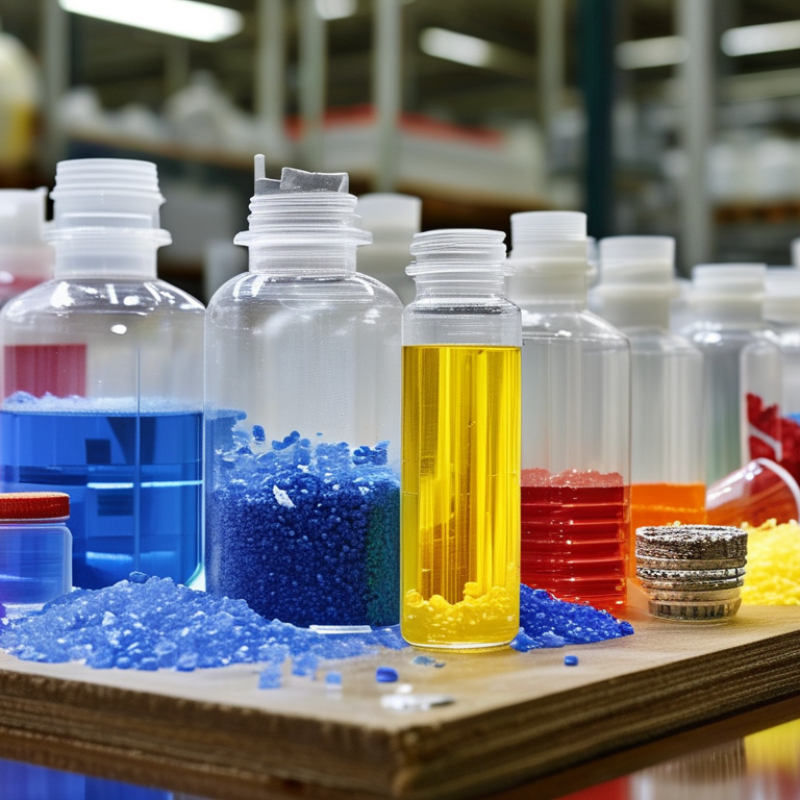
Additives play a crucial role in polymer manufacturing. They enhance properties, improve performance, and solve specific issues during production. Choosing the right additives can be daunting. It requires a deep understanding of both the additive's function and the polymer's application.
Different types of additives serve unique purposes. For instance, plasticizers increase flexibility, while stabilizers extend the lifespan of polymers against environmental stress. Understanding these roles allows manufacturers to tailor their products for diverse applications. However, over-reliance on certain additives can lead to issues like compatibility or degradation.
Research is essential when selecting additives. Manufacturers must consider factors like processing conditions and end-use applications. Practical testing often reveals gaps in theoretical knowledge. Manufacturers might face unexpected challenges during production, prompting them to rethink additive choices. This iterative process can be frustrating yet necessary for achieving optimal results.
Types of Additives Commonly Used in Polymer Production
Additives play a crucial role in polymer production, significantly influencing the properties and performance of final products. There are several common types of additives used in this manufacturing process. Plasticizers, for example, improve flexibility and processability. They can increase the elongation at break by up to 300%, allowing for the creation of softer, more durable materials.
Stabilizers are also essential. They enhance the thermal stability of polymers, protecting them from degradation during processing. Research indicates that without effective stabilizers, a polymer can lose nearly 90% of its mechanical strength at elevated temperatures. Additionally, fillers like calcium carbonate or talc improve mechanical strength and decrease production costs. Brands can reduce costs by up to 25% when incorporating fillers appropriately.
The choice of additives requires careful consideration. Overuse can lead to adverse effects, such as compromised clarity or strength. Manufacturers must balance performance and cost to achieve desired outcomes. The selection process should rely on a solid understanding of materials science and application needs.
Types of Additives Commonly Used in Polymer Production
This chart illustrates the most common types of additives used in polymer manufacturing, showcasing their usage percentages.
Factors to Consider When Selecting Additives for Polymers
When selecting additives for polymers, several factors play a crucial role. The compatibility of the additive with the polymer matrix is essential. If they don’t bond well, it can lead to performance issues. Testing various combinations can be time-consuming but necessary for achieving desired results.
Another essential factor is the intended application. Will the polymer be exposed to extreme temperatures or chemicals? Understanding the environment is vital for choosing the right additive. Some additives enhance UV resistance, while others improve flexibility. This choice can make a significant difference in product longevity and performance.
Cost is also a critical consideration. Higher quality additives may lead to better performance but at a premium price. Finding the right balance between cost and quality requires careful evaluation. Sometimes, cheaper alternatives don't perform as needed. The goal is to deliver a product that meets performance standards without unnecessary expenditure.
As you analyze these factors, remember the importance of trial and error in the selection process. Reflection on past experiences can guide future decisions.
Evaluating the Compatibility of Additives with Polymer Matrices
When selecting additives for polymers,
compatibility with the polymer matrix is crucial. Additives can significantly alter
the physical and mechanical properties of the final product. They can enhance
flexibility, improve thermal stability,
or increase chemical resistance. However, not every additive will work well with every polymer.
To ensure successful integration, thorough testing is necessary.
Compatibility can be evaluated through various methods. For instance,
differential scanning calorimetry (DSC)
helps measure thermal transitions.
This data provides insight into how additives interact with the polymer.
It may reveal whether the additive causes phase separation
or improves the overall matrix.
In practice, manufacturers often struggle with unexpected results.
Sometimes, an additive that shows promise in theory fails in production.
For example, colorants may not disperse evenly,
leading to aesthetic issues. Such challenges highlight the need for ongoing
research and development. Each polymer-additive combination requires
tailored testing to unlock its full potential.
Best Practices for Incorporating Additives in Manufacturing Processes
Choosing the right additives for polymers is crucial in manufacturing. Effective incorporation can enhance performance and durability. Recent industry reports show that nearly 70% of polymer properties can be influenced by additives. This underscores the importance of making informed choices.
When selecting additives, consider their compatibility with the base polymer. For example, fillers can improve mechanical strength but may alter flexibility. A study indicated that overuse of certain additives led to issues like poor dispersion, affecting the final product quality. Monitoring the additive levels is essential.
During production, the method of incorporating additives matters. Pre-blending can facilitate uniform distribution, while direct addition might create inconsistencies. Manufacturers need to reflect on their processes regularly. Adjustments based on real-time data can lead to better outcomes. Aim for continuous improvement in additive selection and integration strategies.
2026 How to Choose Additives for Polymers in Manufacturing? - Best Practices for Incorporating Additives in Manufacturing Processes
| Additive Type |
Function |
Recommended Dosage (%) |
Processing Temperature (°C) |
Main Applications |
| Plasticizers |
Increase flexibility and workability |
5-15 |
150-200 |
PVC products, rubber |
| Stabilizers |
Improve thermal stability |
0.5-5 |
180-250 |
Polyethylene, polypropylene |
| Fillers |
Reduce cost and improve mechanical properties |
10-50 |
150-230 |
Composite materials, packaging |
| Colorants |
Provide color and effects |
1-10 |
200-300 |
Consumer products, automotive |
| Antioxidants |
Prevent degradation |
0.1-2 |
150-220 |
Polymer films, coated materials |