Why is Phosphorus Removal Critical for Environmental Protection?

Phosphorus removal is critical for protecting our environment. Excess phosphorus in water bodies causes algal blooms, leading to aquatic life decline. According to the U.S. Environmental Protection Agency, about 60% of lakes are impaired due to nutrient pollution, primarily from phosphorus.

Experts agree on the urgency of this issue. Dr. Lisa Merritt, a leading researcher in environmental science, states, “Effective phosphorus removal can mitigate serious ecological damage.” This highlights the need for improved wastewater treatment processes. With proper phosphorus management, we could potentially restore many waterways.

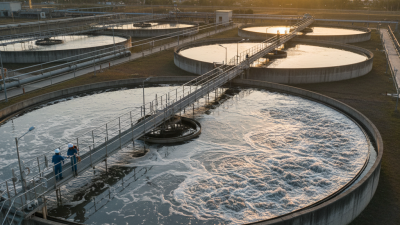
Challenges remain, however. Many facilities lack the technology for efficient phosphorus removal. The costs can be substantial, creating barriers for smaller municipalities. Addressing these issues is essential for sustainable water management and environmental health. The time to act on phosphorus removal is now.
Why is Phosphorus Removal Critical for Environmental Protection?

Importance of Phosphorus in Ecosystems and its Impacts

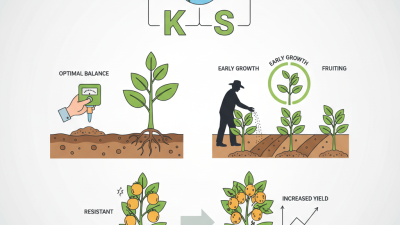
Phosphorus plays a vital role in ecosystems. It is essential for plant growth and overall ecological balance. Plants absorb phosphorus to create energy and support cellular functions. Without adequate phosphorus, plant health diminishes, leading to food supply issues.

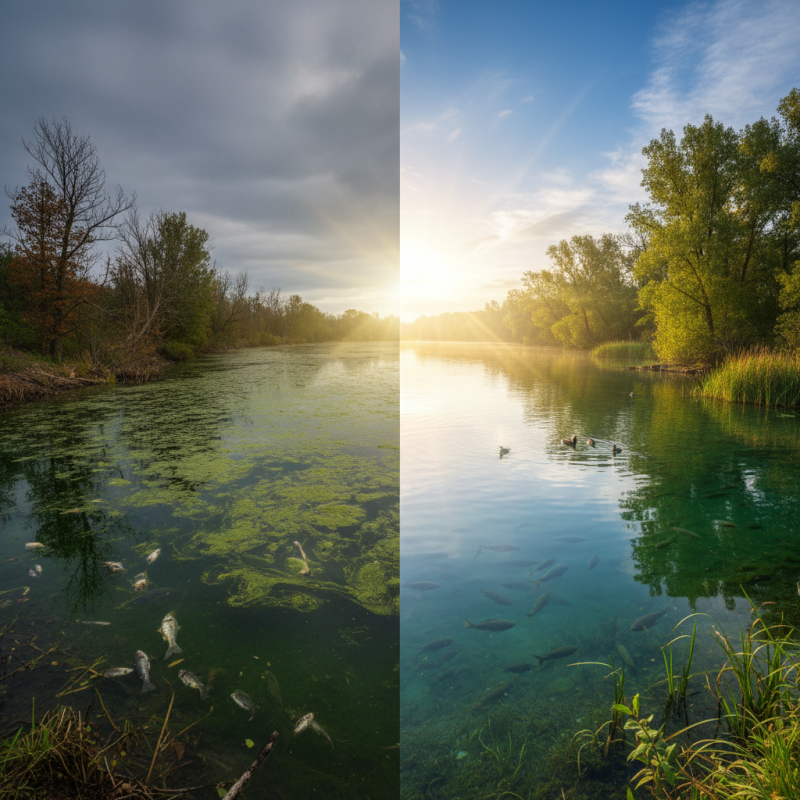
However, excessive phosphorus can cause harm. It often originates from agricultural runoff and wastewater. This surplus leads to algae blooms in water bodies. These blooms reduce oxygen levels, harming fish and other aquatic life. Ecosystems become unbalanced, and biodiversity suffers. It's alarming how quickly this can occur.

**Tips:** To protect local water bodies, consider using fewer fertilizers in gardens. Composting can provide necessary nutrients without overloading the soil. Always check for local regulations regarding phosphorus levels to stay eco-friendly. Small changes in daily habits can significantly impact the environment.
The Role of Phosphorus in Water Pollution and Eutrophication

Why is Phosphorus Removal Critical for Environmental Protection?

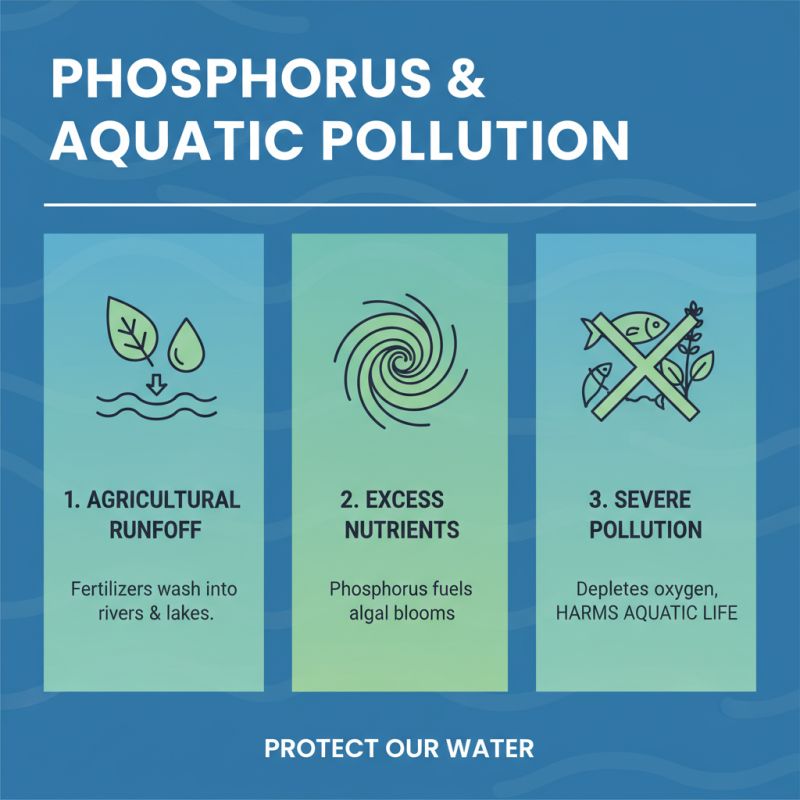
Phosphorus is a key player in aquatic ecosystems. When it enters water bodies, it can lead to severe pollution. This nutrient often comes from agriculture. Fertilizers, while beneficial for crops, can run off into rivers and lakes. This excess phosphorus fuels algal blooms. These blooms can be vivid and alarming, turning water bright green.

The problem escalates as these blooms decay. Their decomposition depletes oxygen levels, harming fish and other marine life. Many aquatic organisms suffocate in the low-oxygen conditions. It's a cycle of destruction, increasing the need for phosphorus removal in water treatment processes. Communities may struggle to understand the urgency.

Addressing phosphorus pollution is complex. Solutions require cooperation among farmers, industries, and local governments. Some practices, like cover cropping and buffer zones, have shown promise. However, the implementation takes time and effort. Many people are still unaware of their role. Every individual can contribute, but awareness is lacking. Education is essential to protect our vital water resources.

Methods for Effective Phosphorus Removal from Water Bodies

Phosphorus removal from water bodies is vital to protect aquatic ecosystems. Excess phosphorus leads to algal blooms, harming fish and other wildlife. These blooms can deplete oxygen levels, creating dead zones where life cannot thrive. Methods to remove phosphorus include chemical precipitation, biological uptake, and filtration.

Chemical precipitation uses agents like aluminum or iron to bind phosphorus, forming solid particles that can be easily removed. However, this method can produce sludge that needs careful disposal. Biological uptake relies on microbial processes. Some bacteria can absorb phosphorus, thus reducing its concentration in water. This method is more sustainable but requires time and careful management.

Filtration techniques, such as using constructed wetlands, provide another option. They filter water as it flows through soil and plant roots, mimicking natural processes. Yet, it may not be effective in all climates. Each method presents benefits and challenges. It’s clear that a one-size-fits-all approach does not exist. Continuous improvement and evaluation are essential in these removal strategies.

Technological Innovations in Phosphorus Removal Processes

Phosphorus removal is essential for maintaining aquatic ecosystems. Excess phosphorus can lead to algal blooms, harming fish and other wildlife. Innovative technologies in phosphorus removal processes are emerging to combat this issue effectively.

Recent advancements include biofilters and constructed wetlands. These systems utilize natural processes to filter out phosphorus. They can be installed in various locations, from urban settings to agricultural lands. Some rely on specific plants to absorb nutrients. Others enhance microbial activity in the soil. Each method has its strengths and weaknesses.

However, many of these technologies require further refinement. Efficiency can vary based on environmental conditions. Not all systems are easily scalable. Local regulations may hinder implementation. It’s crucial to address these challenges to maximize the potential of phosphorus removal solutions. Communities should evaluate their specific needs and resources to ensure these technologies are effective and sustainable.

Regulatory Measures and Policies for Phosphorus Management

Why is Phosphorus Removal Critical for Environmental Protection?

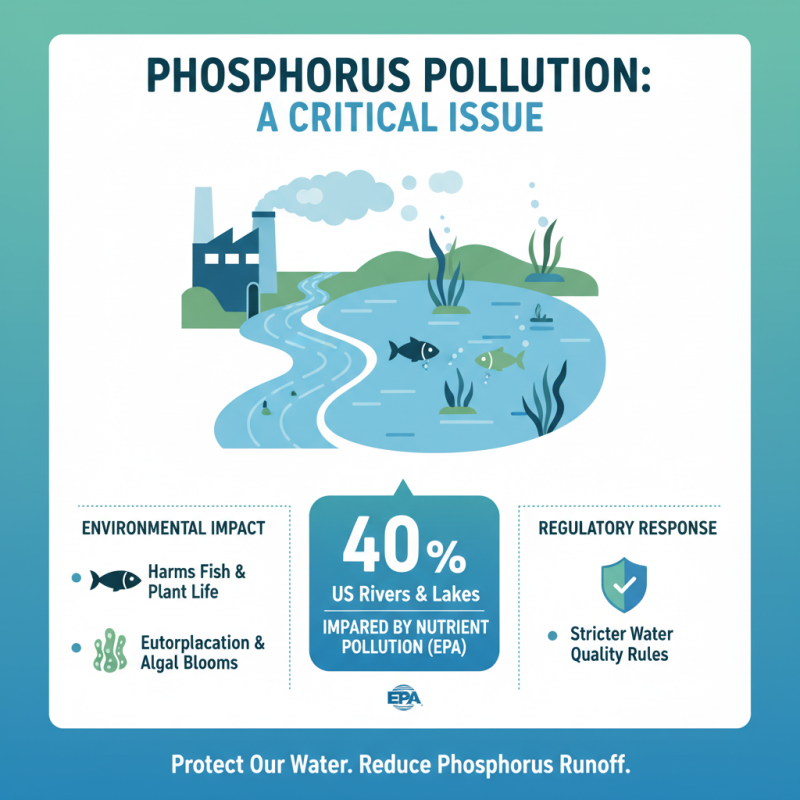
Phosphorus management is a pressing issue for environmental protection. Regulations increasingly address how phosphorus is released into water systems. Fish and plant life can suffer from high phosphorus levels. According to the U.S. Environmental Protection Agency (EPA), over 40% of U.S. rivers and lakes are impaired due to nutrient pollution, predominantly phosphorus.

Policies focus on limiting phosphorus in fertilizers and wastewater. Many regions have set stringent limits on phosphorus discharge from industries. A study found that improved phosphorus management can reduce algal blooms by up to 75%. This is critical for ensuring clean water supplies.

Tip: Implementing best practices in agriculture can significantly lower excess phosphorus. Crop rotation and cover crops can help absorb nutrients. Additionally, wastewater treatment plants must upgrade technology to reduce phosphorus output. Even minor changes can lead to significant reductions in pollution. Small farmers often overlook their impact, but every action counts.

WhatsApp Online Chat !