What is Polyacrylamide Gel and How is it Used Globally?
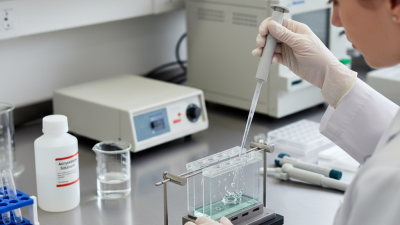
Polyacrylamide Gel is a versatile synthetic material widely used across various fields. Its unique properties make it valuable in laboratories, medicine, and environmental science. In laboratories, Polyacrylamide Gel facilitates protein and nucleic acid separation through techniques like electrophoresis. This process is crucial for research in genetics and biochemistry.
In clinical settings, the gel's application expands to drug delivery and tissue engineering. Its biocompatibility allows it to be used in the medical field safely. However, while Polyacrylamide Gel has many advantages, there are still concerns about its environmental impact. The production and disposal of this polymer can lead to pollution issues, requiring sustainable practices.
Understanding Polyacrylamide Gel's role globally is essential. Its numerous benefits come with responsibilities. Researchers and industries must assess the long-term effects of using this material. Balancing its advantages against potential drawbacks remains an ongoing discussion.
Definition and Composition of Polyacrylamide Gel
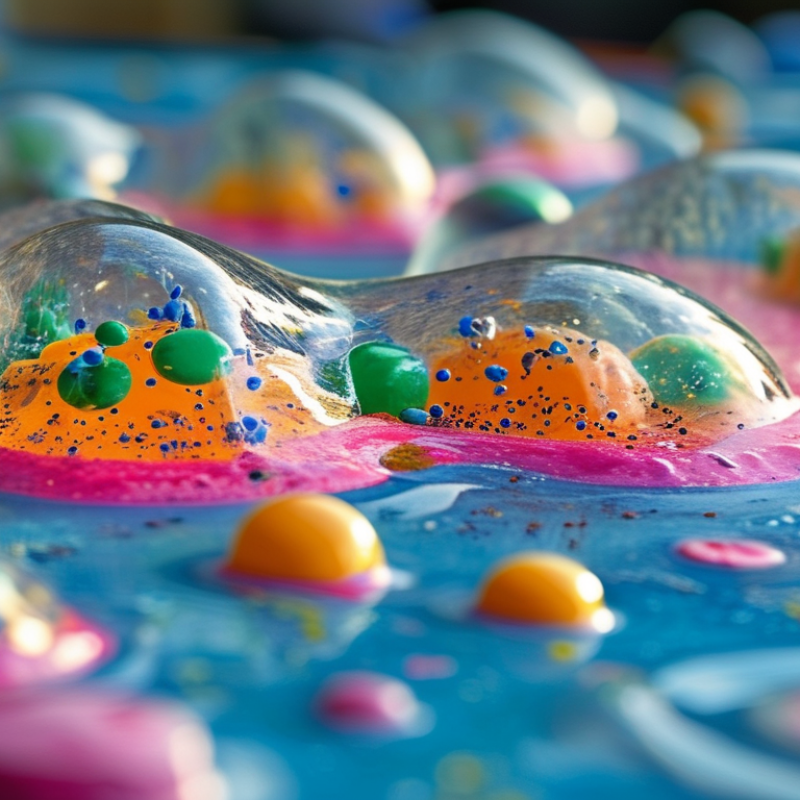
Polyacrylamide gel is a versatile material widely used in laboratories and industrial applications. Its unique composition consists of linear chains of acrylamide monomers. These monomers undergo polymerization to create a three-dimensional network. This structure allows for effective separation of biomolecules, bringing great benefits in biochemistry and genetics research.
The gel's composition can vary depending on its intended use. Typically, it contains water, acrylamide, and a cross-linking agent. This combination results in a gel that can be tailored for different pore sizes. The size of the pores directly affects molecular separation. Larger pores accommodate larger molecules, while smaller pores are ideal for proteins and nucleic acids. Despite its usefulness, improper handling or mixing ratios can lead to inconsistent gel quality, hindering experimental outcomes.
Polyacrylamide gel is recognized for its reliability and effectiveness globally. Its ability to resolve proteins and nucleic acids has made it a staple in research labs. However, users must be cautious during preparation and application. The potential for bubbles or uneven polymerization can affect results. Continuous refinement and attention to detail are necessary for peak performance in scientific experiments.
Common Methods of Producing Polyacrylamide Gel
Polyacrylamide gel is widely utilized in various industries and research fields. Its production involves several methods, each with unique characteristics. One common method is free-radical polymerization. This process starts by mixing acrylamide and bis-acrylamide, often in the presence of a catalyst. When subjected to heat or radiation, the molecules polymerize, forming a gel. This method is favored for creating gels with specific properties, such as varying pore sizes.
Another popular method is gel casting. In this technique, a prepared solution of acrylamide is poured into a mold. The mold can be designed to create different shapes. After cooling, the gel solidifies, retaining the desired structure. Gel casting is often used in laboratories for creating electrophoresis gels. Variations in the polymerization time can affect the gel’s density and stiffness.
Despite its benefits, the production of polyacrylamide gel has challenges. Handling acrylamide requires caution, as it is potentially hazardous. Additionally, achieving uniform gel consistency can be tricky. Variability can affect experiments, leading to inconsistent results. Researchers must pay attention to the mixing and polymerization times carefully.
Applications of Polyacrylamide Gel in Scientific Research
Polyacrylamide gel is widely used in scientific research. Its primary application is in gel electrophoresis. This method helps separate proteins based on their size and charge. Researchers prepare a polyacrylamide gel matrix that holds samples. As an electric current runs through the gel, proteins migrate, allowing scientists to analyze their properties.
Another significant application is in blotting techniques. After electrophoresis, researchers often transfer proteins onto membranes for further analysis. This process enables the detection of specific proteins using antibodies. Scientists can visualize and quantify these proteins, which is crucial in studies of diseases and cellular processes.
Despite its advantages, working with polyacrylamide gel has challenges. The gel polymerization process can be tricky. Factors such as temperature and concentration affect the final product's quality. Sometimes, inconsistent results arise from poorly prepared gels. Researchers must refine their techniques to achieve reliability. This requires careful planning and repeated experimentation.
Industrial Uses of Polyacrylamide Gel Worldwide
Polyacrylamide gel is widely recognized for its industrial applications. This versatile substance is primarily used in water treatment processes. Its ability to flocculate allows it to effectively remove suspended particles. Many industries, from mining to oil recovery, utilize this property, enhancing their efficiency.
In agriculture, polyacrylamide gel plays a critical role. It helps improve soil stability and water retention. Farmers add it to soils to reduce erosion and promote better crop yields. However, the long-term effects of using synthetic materials in agriculture raise some concerns. Continuous evaluation of its environmental impact is necessary.
Moreover, polyacrylamide gel is increasingly used in various laboratory settings. It acts as a medium for electrophoresis, assisting in the separation of biomolecules. While effective, researchers must be cautious about its disposal. After usage, it may pose disposal challenges, emphasizing the need for a sustainable approach. Engaging in more eco-friendly alternatives should be a priority.
Environmental Impact and Safety Considerations of Polyacrylamide Gel
Polyacrylamide gel has become an essential material in various industries. Its applications range from water treatment to biomedical research. However, the environmental impact and safety considerations of this substance need careful examination. Polyacrylamide can decompose into acrylamide, a compound with potential health risks. Studies suggest that prolonged exposure may have harmful effects on human health and ecosystems.
Disposal of polyacrylamide gel presents challenges. Improper disposal can lead to soil and water contamination. Moreover, it can disrupt aquatic life. To mitigate these risks, responsible handling is crucial. Facilities must follow strict guidelines for safe usage and disposal. Regulations should also emphasize transparent communication about potential hazards.
Research continues to assess the long-term effects of polyacrylamide. Experts urge for more studies on its environmental footprint. Balancing its benefits with safety is vital. Stakeholders in various sectors must collaborate for better practices. Societal awareness and responsibility play significant roles in minimizing risks associated with polyacrylamide gel.
Global Usage of Polyacrylamide Gel by Industry
This bar chart illustrates the distribution of the usage of polyacrylamide gel across different industries worldwide. The data indicates the significant applications in fields such as agriculture, wastewater treatment, and pharmaceuticals.