Top Uses of Anionic Flocculant for Global Buyers?
In the fast-evolving world of water treatment, the potential of Flocculant Anionic is profound. According to Dr. Emily Chen, a leading expert in wastewater management, "Flocculant Anionic plays a crucial role in improving water clarity and quality." This assertion highlights the growing reliance on this technology by industries globally.
Flocculant Anionic serves as a powerful agent in various applications, from mining to municipal water. Its ability to aggregate fine particles makes it invaluable, especially for organizations targeting efficiency and sustainability. While its benefits are clear, the challenge lies in selecting the right formulation for specific needs. Each application demands a tailored approach for optimal results.
Cost and environmental impact also merit consideration. While Flocculant Anionic can enhance productivity, it requires careful usage. Over-reliance may lead to unintended consequences, reminding users to adopt a balanced perspective. As industries navigate the complexities of water treatment, ongoing research is vital for making informed choices.

Overview of Anionic Flocculants and Their Importance in Industry
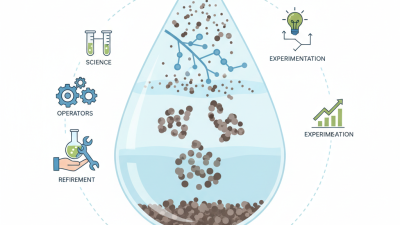
Anionic flocculants play a vital role in various industrial processes. These agents are primarily used to enhance the settling of particulates in liquids. Industries like wastewater treatment, mining, and paper production utilize them extensively. They work by neutralizing the charge of suspended particles, promoting effective aggregation. This action improves clarity and reduces the volume of sludge created.
The effectiveness of anionic flocculants lies in their polymer structure. Their long chains can bridge particles, allowing larger flocs to form. In wastewater treatment, this quality is crucial. Operators often face challenges, such as varying pH levels and differing contaminants. Adjusting flocculant dosages can lead to inconsistent results, highlighting the need for careful monitoring. When conditions change, operators must reassess their treatment strategies.
However, the use of anionic flocculants is not without challenges. Environmental impact is an important concern. While they are generally safer than other chemicals, their long-term effects are not fully understood. Ensuring that these substances are handled correctly in industrial settings is critical. Improper use can lead to ineffective treatment and potential harm to aquatic life. The importance of training and expertise cannot be overstated in achieving reliable outcomes.
Top Uses of Anionic Flocculant in Various Industries
Common Applications of Anionic Flocculants in Water Treatment Processes
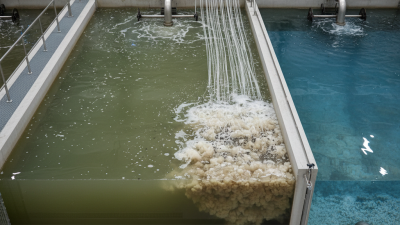
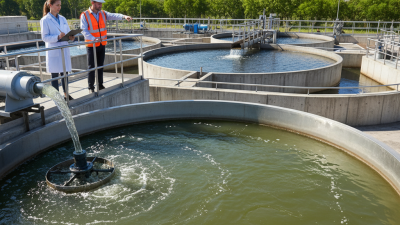
Anionic flocculants play a crucial role in water treatment processes worldwide. These polymers are particularly effective in aggregating suspended particles. They promote the formation of larger flocs, making it easier to settle out impurities from water. According to a recent industry report, these flocculants can enhance the sedimentation rate by up to 30%. This efficiency translates into cleaner water, which is essential for both industrial uses and municipal drinking supplies.
In the agriculture sector, anionic flocculants are widely used to treat wastewater. Their ability to bind with soil particles helps in the removal of pollutants. By improving water quality, these flocculants reduce the environmental impact on nearby water bodies. However, the application of these substances isn't without challenges. There have been concerns about their long-term effects on aquatic ecosystems. The balance between effective water treatment and ecological safety requires further research.
Another significant application lies in mining operations. Anionic flocculants aid in the clarification of process water. This is vital for resource recovery and reducing operational costs. Despite their advantages, users must evaluate the potential for chemical residues in treated water. Finding the optimal dosage for specific conditions can be complex and requires careful monitoring. By addressing these factors, the use of anionic flocculants can enhance water treatment processes while minimizing negative effects.
Top Uses of Anionic Flocculant for Global Buyers
| Application Area |
Description |
Benefits |
| Municipal Wastewater Treatment |
Used for the clarification and solid-liquid separation in municipal wastewater facilities. |
Enhances sedimentation, reduces chemical consumption, and improves effluent quality. |
| Industrial Wastewater Treatment |
Facilitates the removal of suspended solids and contaminants from industrial effluents. |
Increases recycling of water and minimizes environmental impact. |
| Mining and Mineral Processing |
Used in the separation process during mineral extraction and tailings management. |
Improves yield, reduces waste, and enhances recovery rates. |
| Paper and Pulp Industry |
Utilized for enhancing the clarity of process water and recovery of fibers. |
Optimizes the wastewater treatment process and minimizes fiber loss. |
| Food and Beverage Processing |
Applied in the clarifying and filtering processes to ensure clean water usage. |
Ensures high standards of quality and safety for food products. |
| Soil Stabilization |
Used in construction for improving soil cohesion and preventing erosion. |
Enhances structural integrity and durability of soil-related projects. |
Impact of Anionic Flocculants on Mining and Mineral Processing Efficiency
Anionic flocculants have transformed mining and mineral processing. These agents enhance the separation of particles in slurries, improving overall efficiency. Their negative charge attracts positively charged particles, promoting aggregation. This process allows for easier sedimentation and better recovery rates.
In operations, anionic flocculants are vital for achieving clarity in the final product. The use of these flocculants can significantly reduce processing times. However, the choice of flocculant depends on several factors. These include the mineral type and the specific conditions of the plant. Not all anionic flocculants perform equally in all environments. Users often need to experiment to find the best fit.
Minimizing environmental impact is crucial. Some flocculants can have adverse effects if not managed properly. Thus, monitoring and adapting practices is essential. Achieving the balance between performance and sustainability is a continual challenge in the industry.
Role of Anionic Flocculants in Wastewater Treatment and Environmental Protection
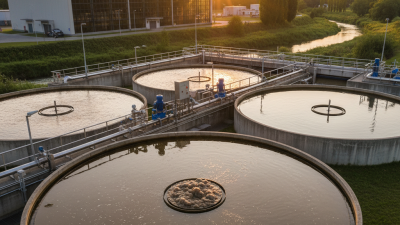
Anionic flocculants play a crucial role in wastewater treatment. These agents help in the coagulation of suspended particles. By attracting negatively charged particles, they facilitate the formation of larger aggregates. This process makes it easier to separate contaminants from water.
In environmental protection, anionic flocculants are invaluable. They improve the clarity of water, ensuring safer disposal. Additionally, they enhance the efficiency of treatment plants. However, their effectiveness can vary based on water chemistry. This variability requires careful monitoring and adjustment. The balance between efficacy and potential environmental impact should always be considered.
While anionic flocculants offer many benefits, challenges persist. Overuse or improper application can lead to unpredictable outcomes. A thorough understanding of local conditions is essential. Continuous research and development ensure these materials align with sustainable practices. Each application warrants careful consideration of its broader implications.
Market Trends and Forecasts for Anionic Flocculant Usage Worldwide
Anionic flocculants have gained significant traction across various industries in recent years. Their primary use is in water treatment processes, where they effectively remove suspended solids. Additionally, they play a crucial role in mineral processing and the paper industry. As global water scarcity becomes an issue, the demand for anionic flocculants is likely to rise.
The market trends indicate a steady growth in the usage of anionic flocculants. Innovations in formulations and applications are emerging. Buyers should be aware of regional differences in demand. For instance, industrialized countries have different needs compared to developing regions. This could affect availability and pricing.
Tips for buyers include conducting thorough research on suppliers. Assess their reputation in the market. Efficient communication can also ensure clarity about product specifications. Being aware of environmental regulations is crucial. The flocculants you choose should comply with local standards. This consideration not only reflects good practices but also promotes sustainability.